RCORP - Rural Center of Excellence on SUD Prevention

Search pages...

RCORP - Rural Center of Excellence on SUD Prevention

Search pages...

RCORP - Rural Center of Excellence on SUD Prevention

Dr. Wiegand's Story

April 15, 2024

April 15, 2024

Videos
Videos

Transcript

I'm the Director of Addiction Medicine at the University of Rochester in the Department of Emergency Medicine and I've been at the U of R for about 15 years now. I consult in the emergency department, seeing patients with overdoses, intoxication, withdrawal, toxicology and addiction-related problems and complications. Knowing about the disease of addiction is really important, obviously. There's still misunderstandings in medicine about addiction.

People still view it, sometimes, as a moral failing, "Why can't you just get this right?" Starting people on medication for addiction treatment in the ED works, you can do it. The patients will follow up and it's better outcomes in a lot of different ways. I mean, it makes sense.

I mean, somebody's in withdrawal, you take them out of withdrawal and you can help them. Patients are very concerned about bias and being thought of less than because of their addiction. And so that welcoming is so important. You don't want the patient to leave.

This is an opportunity to make some impact. And people remember that, "John, how you doing?" You know, "This has to be a difficult day." You know, "Tell me what I can do to help."

You know, "What are you hoping to get out of your visit?" Sometimes, it's obvious, sometimes, you know, just listening to what someone says. And then just learn about what resources are in the community. It's remarkable.

Communities may have only one or two programs. Some have a lot of resources. Develop a protocol, get somebody that you know in the area that's an expert, work with them. And a lot of this can be protocolized, you know, so you don't have to reinvent the wheel.

But it's never been a more dangerous time for the patient. So the ED is the front door, I mean, to the rest of medicine for patients.

Transcript

I'm the Director of Addiction Medicine at the University of Rochester in the Department of Emergency Medicine and I've been at the U of R for about 15 years now. I consult in the emergency department, seeing patients with overdoses, intoxication, withdrawal, toxicology and addiction-related problems and complications. Knowing about the disease of addiction is really important, obviously. There's still misunderstandings in medicine about addiction.

People still view it, sometimes, as a moral failing, "Why can't you just get this right?" Starting people on medication for addiction treatment in the ED works, you can do it. The patients will follow up and it's better outcomes in a lot of different ways. I mean, it makes sense.

I mean, somebody's in withdrawal, you take them out of withdrawal and you can help them. Patients are very concerned about bias and being thought of less than because of their addiction. And so that welcoming is so important. You don't want the patient to leave.

This is an opportunity to make some impact. And people remember that, "John, how you doing?" You know, "This has to be a difficult day." You know, "Tell me what I can do to help."

You know, "What are you hoping to get out of your visit?" Sometimes, it's obvious, sometimes, you know, just listening to what someone says. And then just learn about what resources are in the community. It's remarkable.

Communities may have only one or two programs. Some have a lot of resources. Develop a protocol, get somebody that you know in the area that's an expert, work with them. And a lot of this can be protocolized, you know, so you don't have to reinvent the wheel.

But it's never been a more dangerous time for the patient. So the ED is the front door, I mean, to the rest of medicine for patients.

Transcript

I'm the Director of Addiction Medicine at the University of Rochester in the Department of Emergency Medicine and I've been at the U of R for about 15 years now. I consult in the emergency department, seeing patients with overdoses, intoxication, withdrawal, toxicology and addiction-related problems and complications. Knowing about the disease of addiction is really important, obviously. There's still misunderstandings in medicine about addiction.

People still view it, sometimes, as a moral failing, "Why can't you just get this right?" Starting people on medication for addiction treatment in the ED works, you can do it. The patients will follow up and it's better outcomes in a lot of different ways. I mean, it makes sense.

I mean, somebody's in withdrawal, you take them out of withdrawal and you can help them. Patients are very concerned about bias and being thought of less than because of their addiction. And so that welcoming is so important. You don't want the patient to leave.

This is an opportunity to make some impact. And people remember that, "John, how you doing?" You know, "This has to be a difficult day." You know, "Tell me what I can do to help."

You know, "What are you hoping to get out of your visit?" Sometimes, it's obvious, sometimes, you know, just listening to what someone says. And then just learn about what resources are in the community. It's remarkable.

Communities may have only one or two programs. Some have a lot of resources. Develop a protocol, get somebody that you know in the area that's an expert, work with them. And a lot of this can be protocolized, you know, so you don't have to reinvent the wheel.

But it's never been a more dangerous time for the patient. So the ED is the front door, I mean, to the rest of medicine for patients.

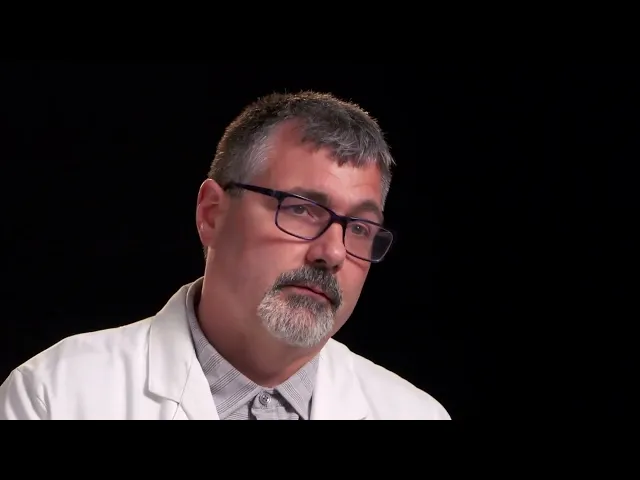
Tim Wiegand, MD, is an emergency and addiction medicine physician. ED visits are “an opportunity” and “welcoming is so important,” he says. Listening and having a plan for sharing recovery resources in the community can make a difference. Beginning “medication for addiction treatment in the ED works,” he says. It leads to “better outcomes in a lot of different ways.”
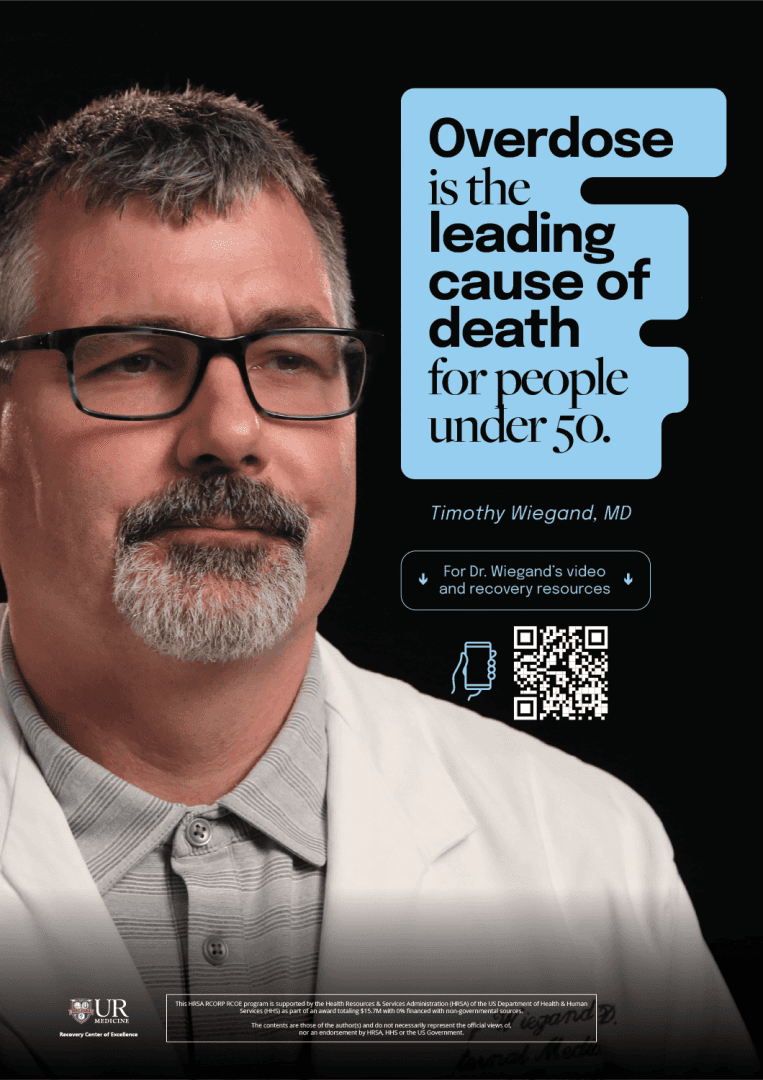
Dr. Wiegand's Poster (PDF, 395.84 KB)

This HRSA RCORP RCOE program is supported by the Health Resources & Services Administration (HRSA) of the US Department of Health & Human Services (HHS) as part of an award of $3.33M in the current year with 0% financed with non-governmental sources.

The contents are those of the author(s) and do not necessarily represent the official views of, nor an endorsement by HRSA, HHS or the US Government.

As the Rural Communities Opioid Response Program (RCORP)-Rural Center of Excellence on SUD Prevention, UR Medicine Recovery Center of Excellence provides access to a wide range of resources on relevant topics. Inclusion in this document does not imply endorsement of, or agreement with, the contents by UR Medicine Recovery Center of Excellence or HRSA.  

© Copyright 2026 University of Rochester Medical Center

This HRSA RCORP RCOE program is supported by the Health Resources & Services Administration (HRSA) of the US Department of Health & Human Services (HHS) as part of an award of $3.33M in the current year with 0% financed with non-governmental sources.

The contents are those of the author(s) and do not necessarily represent the official views of, nor an endorsement by HRSA, HHS or the US Government.

As the Rural Communities Opioid Response Program (RCORP)-Rural Center of Excellence on SUD Prevention, UR Medicine Recovery Center of Excellence provides access to a wide range of resources on relevant topics. Inclusion in this document does not imply endorsement of, or agreement with, the contents by UR Medicine Recovery Center of Excellence or HRSA.  

© Copyright 2026 University of Rochester Medical Center

This HRSA RCORP RCOE program is supported by the Health Resources & Services Administration (HRSA) of the US Department of Health & Human Services (HHS) as part of an award of $3.33M in the current year with 0% financed with non-governmental sources.

The contents are those of the author(s) and do not necessarily represent the official views of, nor an endorsement by HRSA, HHS or the US Government.

As the Rural Communities Opioid Response Program (RCORP)-Rural Center of Excellence on SUD Prevention, UR Medicine Recovery Center of Excellence provides access to a wide range of resources on relevant topics. Inclusion in this document does not imply endorsement of, or agreement with, the contents by UR Medicine Recovery Center of Excellence or HRSA.  

© Copyright 2026 University of Rochester Medical Center