

Updates
Topics

Let’s Talk Post-op: A New Way to Communicate Pain Measurements
Created with rural partners, our adapted pain scale was designed to be more accessible for patients and help them describe their pain more accurately. This tool fits into broader discussions with patients about expectations and goals for pain management after surgery.
Read more
Local Facilitators Lead the Way in Stigma Reduction
In addition to facilitating Community Conversations workshops in rural communities nationwide, our center trains local facilitation leaders to lead these conversations focused on reducing stigma related to substance use disorder. For workshop participants interested in becoming facilitators, we provide training, support, and tools to help launch and sustain these efforts locally. Learn more in this article.
Read more
Growing Resilience - World Cafe Method
We are using the World Café method—a flexible dialogue approach— to support honest discussion, build trust, and establish collaborative relationships with our rural community partners. Through conversation, mutual learning, and shared decision-making, we are working together on community-specific, trauma-informed approaches to reduce the risk of substance use disorder in rural youth.
Read more
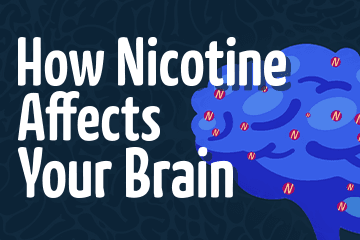
How Nicotine Affects Your Brain
This animated video explains how nicotine in e-cigarettes affects the brain. It shows how the more a person vapes, the more nicotine they need to get the same feeling and avoid feeling sick. Quitting is hard, but there are resources to help.
Read more
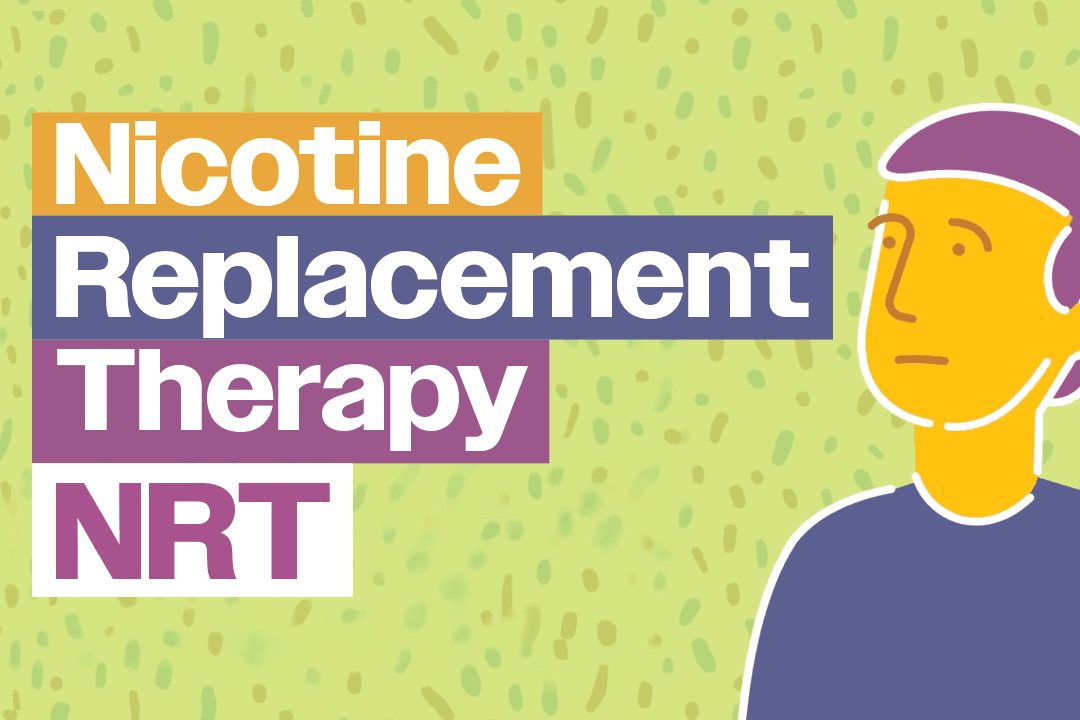
Escape the Vape
This animated video explains what nicotine replacement therapy (NRT) is and how it can help young people to quit vaping. It provides a general understanding of how NRT works and what the process looks like.
Read more
Partnering with Rural Communities on Substance Use Prevention for Youth
This article highlights our use of the Community-Based Participatory Research model, which centers on forming meaningful relationships with rural communities through broad engagement, mutual learning, and shared decision-making. Working together, we are developing capacity for sustainable trauma-informed interventions that the community needs, wants, and can sustain with the community guiding implementation every step of the way.
