RCORP - Rural Center of Excellence on SUD Prevention

Search pages...

RCORP - Rural Center of Excellence on SUD Prevention

Search pages...

RCORP - Rural Center of Excellence on SUD Prevention

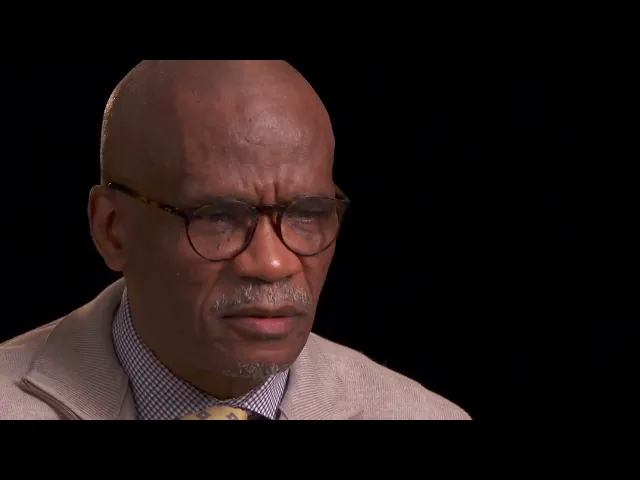
Charles's Story

April 15, 2024

April 15, 2024

Videos
Videos

Transcript

My name is Charles Brown. I am a recovering drug addict. I spent 18 years chasing drugs. I've been clean 38 years.

Denial is still the bigger part of this disease. At that point, I didn't even know that I was a drug addict. I was just doing what all of my friends were doing. You know, association brings about assimilation, so that's all I hung around with.

Even though I was working two full-time jobs, my other spare time was hanging out with them. And when Maxwell says, "When you're not aware you're not even aware, that you're not aware." I wasn't even aware that I was a drug addict. So consequently, I'm understanding that when I deal with patients, they may not even be aware of the depth of their addiction/mental health challenges.

So, that's why I suspect mental health and substance abuse kinda ride in the same vehicle. Most folk that come through now cross addicted. You know, you use a little alcohol, you use a little marijuana use...

There was a little bit of everything except for that white powder. You just need to be afraid of some things. I was afraid of that. And what recovery looks like now.

Recovery is my work, it's my ministry. I go to, language is the framework for behavior first because stigma is part of the language. It's what people say, it's what people use. What you do with it is gonna be up to you.

So this thing about stigma from where I sit is what you do with it. Recovery actually works, but you have to work it. And I tell my patients, "Anybody can put it into play for a day, but can you put it into play for a lifetime? Can you put it into play and turn it into a practice?"

Transcript

My name is Charles Brown. I am a recovering drug addict. I spent 18 years chasing drugs. I've been clean 38 years.

Denial is still the bigger part of this disease. At that point, I didn't even know that I was a drug addict. I was just doing what all of my friends were doing. You know, association brings about assimilation, so that's all I hung around with.

Even though I was working two full-time jobs, my other spare time was hanging out with them. And when Maxwell says, "When you're not aware you're not even aware, that you're not aware." I wasn't even aware that I was a drug addict. So consequently, I'm understanding that when I deal with patients, they may not even be aware of the depth of their addiction/mental health challenges.

So, that's why I suspect mental health and substance abuse kinda ride in the same vehicle. Most folk that come through now cross addicted. You know, you use a little alcohol, you use a little marijuana use...

There was a little bit of everything except for that white powder. You just need to be afraid of some things. I was afraid of that. And what recovery looks like now.

Recovery is my work, it's my ministry. I go to, language is the framework for behavior first because stigma is part of the language. It's what people say, it's what people use. What you do with it is gonna be up to you.

So this thing about stigma from where I sit is what you do with it. Recovery actually works, but you have to work it. And I tell my patients, "Anybody can put it into play for a day, but can you put it into play for a lifetime? Can you put it into play and turn it into a practice?"

Transcript

My name is Charles Brown. I am a recovering drug addict. I spent 18 years chasing drugs. I've been clean 38 years.

Denial is still the bigger part of this disease. At that point, I didn't even know that I was a drug addict. I was just doing what all of my friends were doing. You know, association brings about assimilation, so that's all I hung around with.

Even though I was working two full-time jobs, my other spare time was hanging out with them. And when Maxwell says, "When you're not aware you're not even aware, that you're not aware." I wasn't even aware that I was a drug addict. So consequently, I'm understanding that when I deal with patients, they may not even be aware of the depth of their addiction/mental health challenges.

So, that's why I suspect mental health and substance abuse kinda ride in the same vehicle. Most folk that come through now cross addicted. You know, you use a little alcohol, you use a little marijuana use...

There was a little bit of everything except for that white powder. You just need to be afraid of some things. I was afraid of that. And what recovery looks like now.

Recovery is my work, it's my ministry. I go to, language is the framework for behavior first because stigma is part of the language. It's what people say, it's what people use. What you do with it is gonna be up to you.

So this thing about stigma from where I sit is what you do with it. Recovery actually works, but you have to work it. And I tell my patients, "Anybody can put it into play for a day, but can you put it into play for a lifetime? Can you put it into play and turn it into a practice?"

Charles has been in recovery for 18 years and helps individuals with SUD as an addiction therapist. “Recovery is my work, it’s my ministry,” he says. “Recovery actually works, but you have to work at it.”

Charles's Poster (PDF, 336.2 KB)

This HRSA RCORP RCOE program is supported by the Health Resources & Services Administration (HRSA) of the US Department of Health & Human Services (HHS) as part of an award of $3.33M in the current year with 0% financed with non-governmental sources.

The contents are those of the author(s) and do not necessarily represent the official views of, nor an endorsement by HRSA, HHS or the US Government.

As the Rural Communities Opioid Response Program (RCORP)-Rural Center of Excellence on SUD Prevention, UR Medicine Recovery Center of Excellence provides access to a wide range of resources on relevant topics. Inclusion in this document does not imply endorsement of, or agreement with, the contents by UR Medicine Recovery Center of Excellence or the Health Resources and Services Administration.  

© Copyright 2025 University of Rochester Medical Center

This HRSA RCORP RCOE program is supported by the Health Resources & Services Administration (HRSA) of the US Department of Health & Human Services (HHS) as part of an award of $3.33M in the current year with 0% financed with non-governmental sources.

The contents are those of the author(s) and do not necessarily represent the official views of, nor an endorsement by HRSA, HHS or the US Government.

As the Rural Communities Opioid Response Program (RCORP)-Rural Center of Excellence on SUD Prevention, UR Medicine Recovery Center of Excellence provides access to a wide range of resources on relevant topics. Inclusion in this document does not imply endorsement of, or agreement with, the contents by UR Medicine Recovery Center of Excellence or the Health Resources and Services Administration.  

© Copyright 2025 University of Rochester Medical Center

This HRSA RCORP RCOE program is supported by the Health Resources & Services Administration (HRSA) of the US Department of Health & Human Services (HHS) as part of an award of $3.33M in the current year with 0% financed with non-governmental sources.

The contents are those of the author(s) and do not necessarily represent the official views of, nor an endorsement by HRSA, HHS or the US Government.

As the Rural Communities Opioid Response Program (RCORP)-Rural Center of Excellence on SUD Prevention, UR Medicine Recovery Center of Excellence provides access to a wide range of resources on relevant topics. Inclusion in this document does not imply endorsement of, or agreement with, the contents by UR Medicine Recovery Center of Excellence or the Health Resources and Services Administration.  

© Copyright 2025 University of Rochester Medical Center