RCORP - Rural Center of Excellence on SUD Prevention

Search pages...

RCORP - Rural Center of Excellence on SUD Prevention

Search pages...

RCORP - Rural Center of Excellence on SUD Prevention

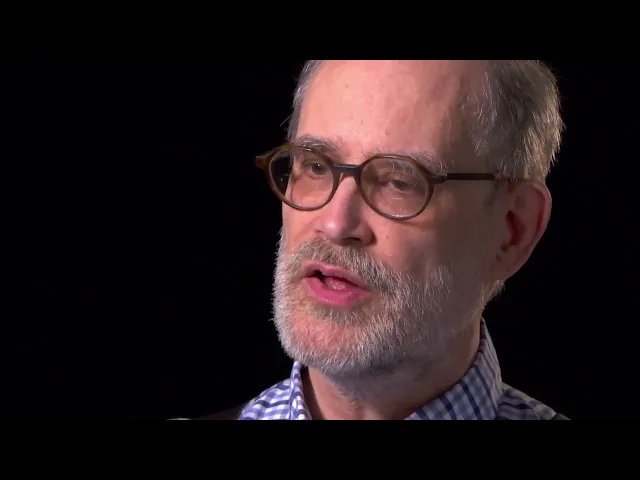
John K.'s Story

April 15, 2024

April 15, 2024

Videos
Videos

Transcript

A person can have severe mental illnesses and still recover from alcoholism 'cause I did it. For the alcohol, in August 1989, I had let's call a vital experience and I was able to put the alcohol down all of a sudden. But, and this is where the stigma comes in. I felt so alone.

I didn't feel I could reach out to anybody and I just struggled with it alone and the OCD made the obsession that much worse. It was really, really painful. And I ran into a friend who told me about a support group for alcoholics and I start going with her and I've been involved with that ever since. I have a story that I was early in recovery.

Like, I lived in Brockport and I was like, on the floor in a fetal position. I just could not take it anymore. And I went over to this friend's house and they said, "I have to drive into the city. Do you wanna come with me?",

and I did. And by the end, we were laughing and joking. She was one of the first people I knew who didn't drink and just that human connection is so important. Recovery is like, for me, very, very different than the drinking.

My mind has slowed down. The number of crazy ideas has gone down. The depression that was accompanying the alcohol use is not there. I get depressed, I'm able to work on it.

I try to be grateful. I don't think I was grateful when I was drinking. Well, now that I'm in recovery, I like sharing my story and knowing that I'm helping other people and I did not have that when I was drinking, so. And just, and I do the meditation and the yoga.

I do phone meetings and there's a little community of people who do that that I know well. And just every time I think about my sobriety, I feel happy. Here is what I would tell people. It is a day at a time and millions of people are on the road to recovery.

It's possible for people, even with a severe mental illness.

Transcript

A person can have severe mental illnesses and still recover from alcoholism 'cause I did it. For the alcohol, in August 1989, I had let's call a vital experience and I was able to put the alcohol down all of a sudden. But, and this is where the stigma comes in. I felt so alone.

I didn't feel I could reach out to anybody and I just struggled with it alone and the OCD made the obsession that much worse. It was really, really painful. And I ran into a friend who told me about a support group for alcoholics and I start going with her and I've been involved with that ever since. I have a story that I was early in recovery.

Like, I lived in Brockport and I was like, on the floor in a fetal position. I just could not take it anymore. And I went over to this friend's house and they said, "I have to drive into the city. Do you wanna come with me?",

and I did. And by the end, we were laughing and joking. She was one of the first people I knew who didn't drink and just that human connection is so important. Recovery is like, for me, very, very different than the drinking.

My mind has slowed down. The number of crazy ideas has gone down. The depression that was accompanying the alcohol use is not there. I get depressed, I'm able to work on it.

I try to be grateful. I don't think I was grateful when I was drinking. Well, now that I'm in recovery, I like sharing my story and knowing that I'm helping other people and I did not have that when I was drinking, so. And just, and I do the meditation and the yoga.

I do phone meetings and there's a little community of people who do that that I know well. And just every time I think about my sobriety, I feel happy. Here is what I would tell people. It is a day at a time and millions of people are on the road to recovery.

It's possible for people, even with a severe mental illness.

Transcript

A person can have severe mental illnesses and still recover from alcoholism 'cause I did it. For the alcohol, in August 1989, I had let's call a vital experience and I was able to put the alcohol down all of a sudden. But, and this is where the stigma comes in. I felt so alone.

I didn't feel I could reach out to anybody and I just struggled with it alone and the OCD made the obsession that much worse. It was really, really painful. And I ran into a friend who told me about a support group for alcoholics and I start going with her and I've been involved with that ever since. I have a story that I was early in recovery.

Like, I lived in Brockport and I was like, on the floor in a fetal position. I just could not take it anymore. And I went over to this friend's house and they said, "I have to drive into the city. Do you wanna come with me?",

and I did. And by the end, we were laughing and joking. She was one of the first people I knew who didn't drink and just that human connection is so important. Recovery is like, for me, very, very different than the drinking.

My mind has slowed down. The number of crazy ideas has gone down. The depression that was accompanying the alcohol use is not there. I get depressed, I'm able to work on it.

I try to be grateful. I don't think I was grateful when I was drinking. Well, now that I'm in recovery, I like sharing my story and knowing that I'm helping other people and I did not have that when I was drinking, so. And just, and I do the meditation and the yoga.

I do phone meetings and there's a little community of people who do that that I know well. And just every time I think about my sobriety, I feel happy. Here is what I would tell people. It is a day at a time and millions of people are on the road to recovery.

It's possible for people, even with a severe mental illness.

John is in recovery from alcohol use disorder (AUD). At one of his toughest moments, the concern of a friend and “just that human connection” helped him. Now, in helping others with AUD, he lets them know “It is a day at a time and millions of people are on the road to recovery.”
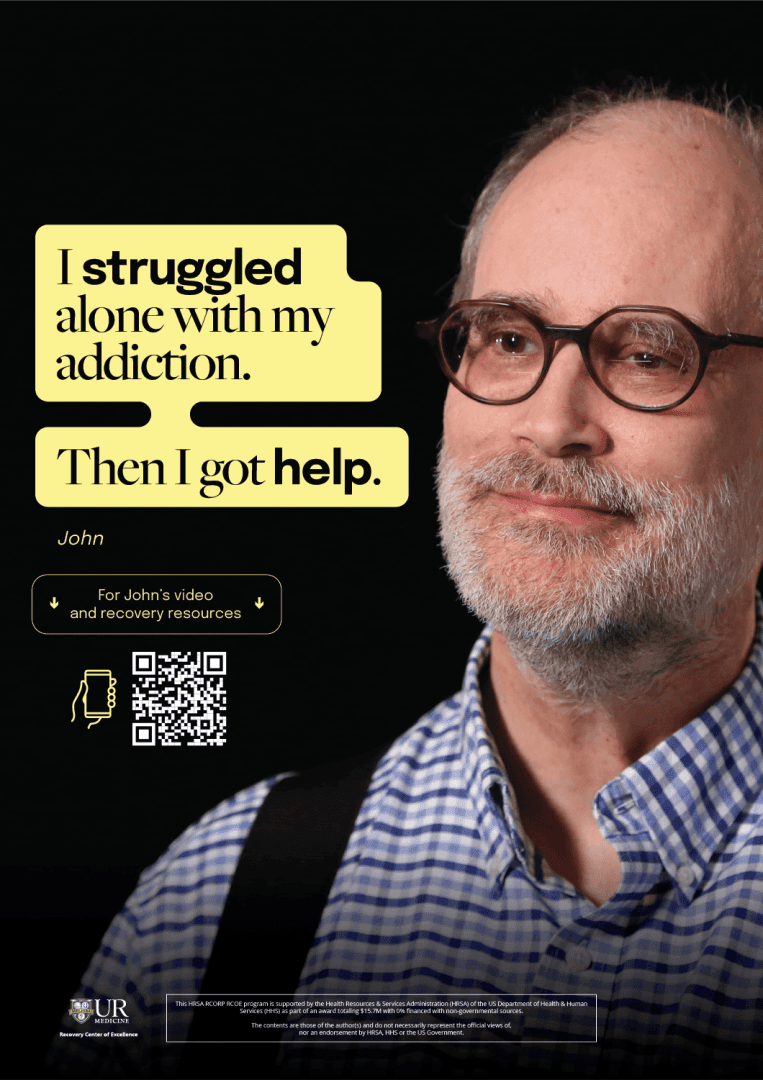
John K.'s poster (PDF, 390.47 KB)

This HRSA RCORP RCOE program is supported by the Health Resources & Services Administration (HRSA) of the US Department of Health & Human Services (HHS) as part of an award of $3.33M in the current year with 0% financed with non-governmental sources.

The contents are those of the author(s) and do not necessarily represent the official views of, nor an endorsement by HRSA, HHS or the US Government.

As the Rural Communities Opioid Response Program (RCORP)-Rural Center of Excellence on SUD Prevention, UR Medicine Recovery Center of Excellence provides access to a wide range of resources on relevant topics. Inclusion in this document does not imply endorsement of, or agreement with, the contents by UR Medicine Recovery Center of Excellence or HRSA.  

© Copyright 2025 University of Rochester Medical Center

This HRSA RCORP RCOE program is supported by the Health Resources & Services Administration (HRSA) of the US Department of Health & Human Services (HHS) as part of an award of $3.33M in the current year with 0% financed with non-governmental sources.

The contents are those of the author(s) and do not necessarily represent the official views of, nor an endorsement by HRSA, HHS or the US Government.

As the Rural Communities Opioid Response Program (RCORP)-Rural Center of Excellence on SUD Prevention, UR Medicine Recovery Center of Excellence provides access to a wide range of resources on relevant topics. Inclusion in this document does not imply endorsement of, or agreement with, the contents by UR Medicine Recovery Center of Excellence or HRSA.  

© Copyright 2025 University of Rochester Medical Center

This HRSA RCORP RCOE program is supported by the Health Resources & Services Administration (HRSA) of the US Department of Health & Human Services (HHS) as part of an award of $3.33M in the current year with 0% financed with non-governmental sources.

The contents are those of the author(s) and do not necessarily represent the official views of, nor an endorsement by HRSA, HHS or the US Government.

As the Rural Communities Opioid Response Program (RCORP)-Rural Center of Excellence on SUD Prevention, UR Medicine Recovery Center of Excellence provides access to a wide range of resources on relevant topics. Inclusion in this document does not imply endorsement of, or agreement with, the contents by UR Medicine Recovery Center of Excellence or HRSA.  

© Copyright 2025 University of Rochester Medical Center