RCORP - Rural Center of Excellence on SUD Prevention

Search pages...

RCORP - Rural Center of Excellence on SUD Prevention

RCORP - Rural Center of Excellence on SUD Prevention

Search pages...

Prevention

Naloxone Leave Behind at the Scene of Overdose

The recorded presentations on this page provide a practical, real-world overview of how first responder agencies can implement a naloxone leave-behind program to reduce overdose deaths. Drawing on the experiences of first responders and individuals in recovery in rural communities, these videos explain why naloxone is a critical life-saving tool—especially in areas where response times are longer such as rural communities. They also address common myths, ethical considerations, and cultural barriers.

The presentations outline key steps for program implementation, including leadership buy-in, staff training, community engagement, and quality improvement, while emphasizing compassion, education, and trust-building with patients, families, and community members.

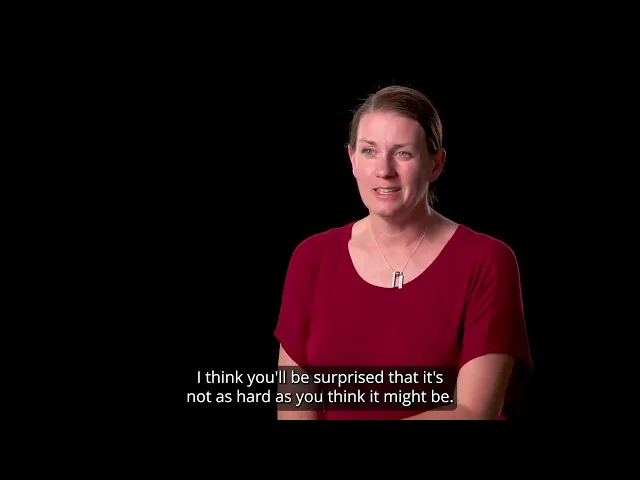
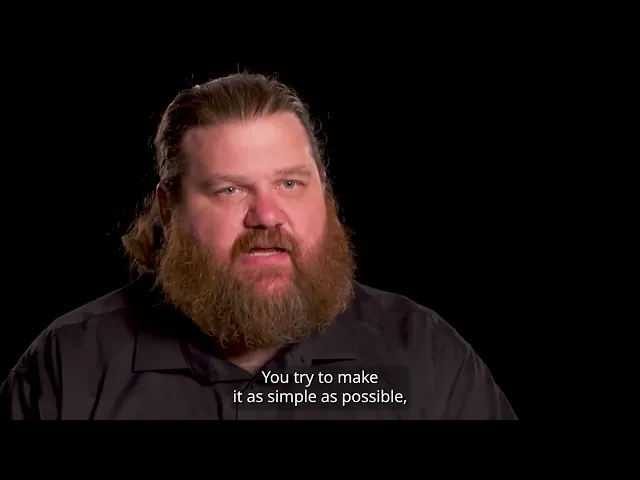
These brief videos of interviews with first responders and people in long-term recovery explain how leaving naloxone behind is a low-risk, high-impact intervention that can save lives, support recovery, and benefit rural communities as well as urban and suburban ones.

Visit our page about naloxone.

Questions? Connect with us through Program Assistance.

Guide to Implementing a Naloxone Leave Behind Program in a First Responder Organization

Transcript

Leave Behind Naloxone: Guidance for First Responders
Transcript

Project team

Kenneth R. Conner, PsyD, MPH: Professor of Emergency Medicine and Psychiatry, University of Rochester Medical Center

Thomas Della Porta, PhD: Project Manager

References

Gibbons, J. B., Sugarman, O. K., Byrne, L., Harris, S. J., Shah, H., Hulsey, E. G., Rwan, J., Rosner, E. M., Pantaleo, A., Bergquist, E., & Saloner, B. (2024). Perceptions of a naloxone leave behind program among emergency medical services personnel in Michigan, USA. Drug and Alcohol Dependence Reports, 12, 100273. https://doi.org/10.1016/j.dadr.2024.100273

More Information

Collapse

Contact Program Assistance to learn more about naloxone leave behind programs.

More Information

Expand

This HRSA RCORP RCOE program is supported by the Health Resources & Services Administration (HRSA) of the US Department of Health & Human Services (HHS) as part of an award of $3.33M in the current year with 0% financed with non-governmental sources.

The contents are those of the author(s) and do not necessarily represent the official views of, nor an endorsement by HRSA, HHS or the US Government.

As the Rural Communities Opioid Response Program (RCORP)-Rural Center of Excellence on SUD Prevention, UR Medicine Recovery Center of Excellence provides access to a wide range of resources on relevant topics. Inclusion in this document does not imply endorsement of, or agreement with, the contents by UR Medicine Recovery Center of Excellence or HRSA.  

© Copyright 2026 University of Rochester Medical Center

This HRSA RCORP RCOE program is supported by the Health Resources & Services Administration (HRSA) of the US Department of Health & Human Services (HHS) as part of an award of $3.33M in the current year with 0% financed with non-governmental sources.

The contents are those of the author(s) and do not necessarily represent the official views of, nor an endorsement by HRSA, HHS or the US Government.

As the Rural Communities Opioid Response Program (RCORP)-Rural Center of Excellence on SUD Prevention, UR Medicine Recovery Center of Excellence provides access to a wide range of resources on relevant topics. Inclusion in this document does not imply endorsement of, or agreement with, the contents by UR Medicine Recovery Center of Excellence or HRSA.  

© Copyright 2026 University of Rochester Medical Center

This HRSA RCORP RCOE program is supported by the Health Resources & Services Administration (HRSA) of the US Department of Health & Human Services (HHS) as part of an award of $3.33M in the current year with 0% financed with non-governmental sources.

The contents are those of the author(s) and do not necessarily represent the official views of, nor an endorsement by HRSA, HHS or the US Government.

As the Rural Communities Opioid Response Program (RCORP)-Rural Center of Excellence on SUD Prevention, UR Medicine Recovery Center of Excellence provides access to a wide range of resources on relevant topics. Inclusion in this document does not imply endorsement of, or agreement with, the contents by UR Medicine Recovery Center of Excellence or HRSA.  

© Copyright 2026 University of Rochester Medical Center