

Resources for Monitoring Substance Use Trends
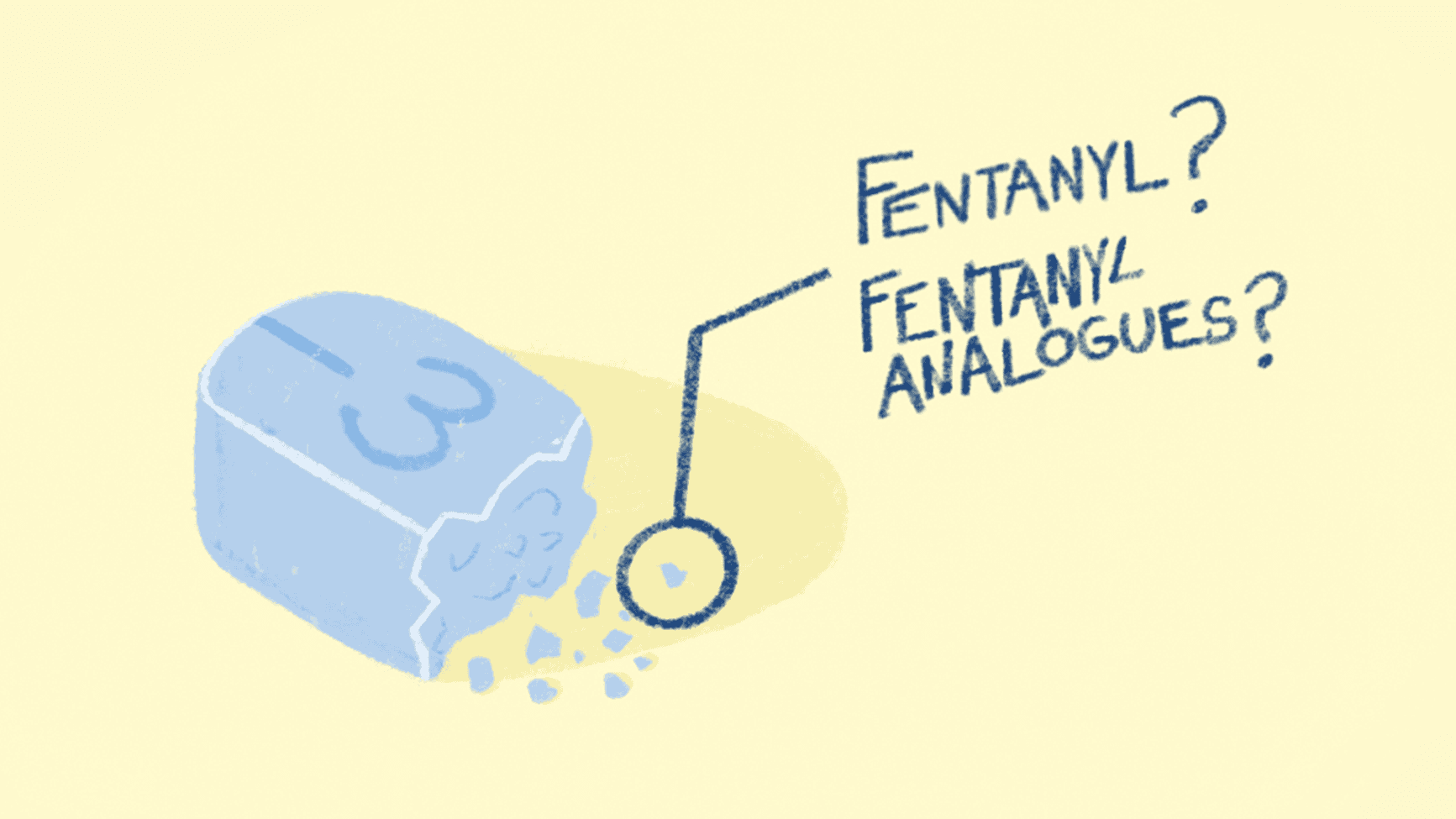
The drug landscape changes constantly as substances and analogues are introduced or used in different ways. As rural communities and providers respond to new challenges, they can find useful information about trends on the websites of agencies and organizations. These sites provide, for example, national and state-specific information on fatal and non-fatal overdoses, characteristics of the drug supply, and trends in usage, as well as practical tools and educational messaging.
National Drug Early Warning System (NDEWS)
NDEWS provides timely information on emerging substance use trends. It contains a data section that captures drug-related outcomes, a novel surveillance section that captures emerging trends through artificial intelligence, and a publication section with a wide range of content from indicator dashboards to news briefs, peer-reviewed papers, reports, and webinars.
Data: The State and National Overdose Web (SNOW) is an interactive dashboard that contains statewide information on drug seizures from high-intensity trafficking areas, poison control data, and fentanyl in wastewater.
Novel surveillance detects potentially dangerous trends as they emerge through the application of machine learning algorithms deployed to darknet drug markets and forums. It uses information from social media sites to predict trends in new psychoactive substances (NPS).
Centers for Disease Control and Prevention (CDC)
The CDC’s State Unintentional Drug Overdose Reporting System (SUDORS) collects data on drug overdose deaths from toxicology findings and other sources. The site is searchable by state and provides data on drug combinations related to overdose deaths.
National Institute on Drug Abuse (NIDA)
NIDA supports scientific research on drug use and addiction and provides evidence-based information on specific drugs and drug combinations. The agency’s site includes a Trends and Statistics section as well as news for timely information.
Drug Enforcement Administration (DEA)
The resources section on the DEA website provides information on the illicit drug supply including street names, how drugs are being used, and their effects. The site includes publications on current trends driving overdose fatalities and warnings about dangerous developments in the drug supply.
The Center for Forensic Science Research & Education (CFSRE)
CFSRE, an organization focused on research, education, and outreach in forensic science, has an open-access drug early warning system. It offers reports on trends for timely NPS information gathered in collaboration with forensic science, public health, emergency medicine, and criminal justice agencies. The center provides notifications to those interested in signing up.
United Nations Office on Drugs and Crime (UNODC)
The United Nations puts out an annual World Drug Report with data and analysis on worldwide drug market patterns and trends.
Updated August 2026
